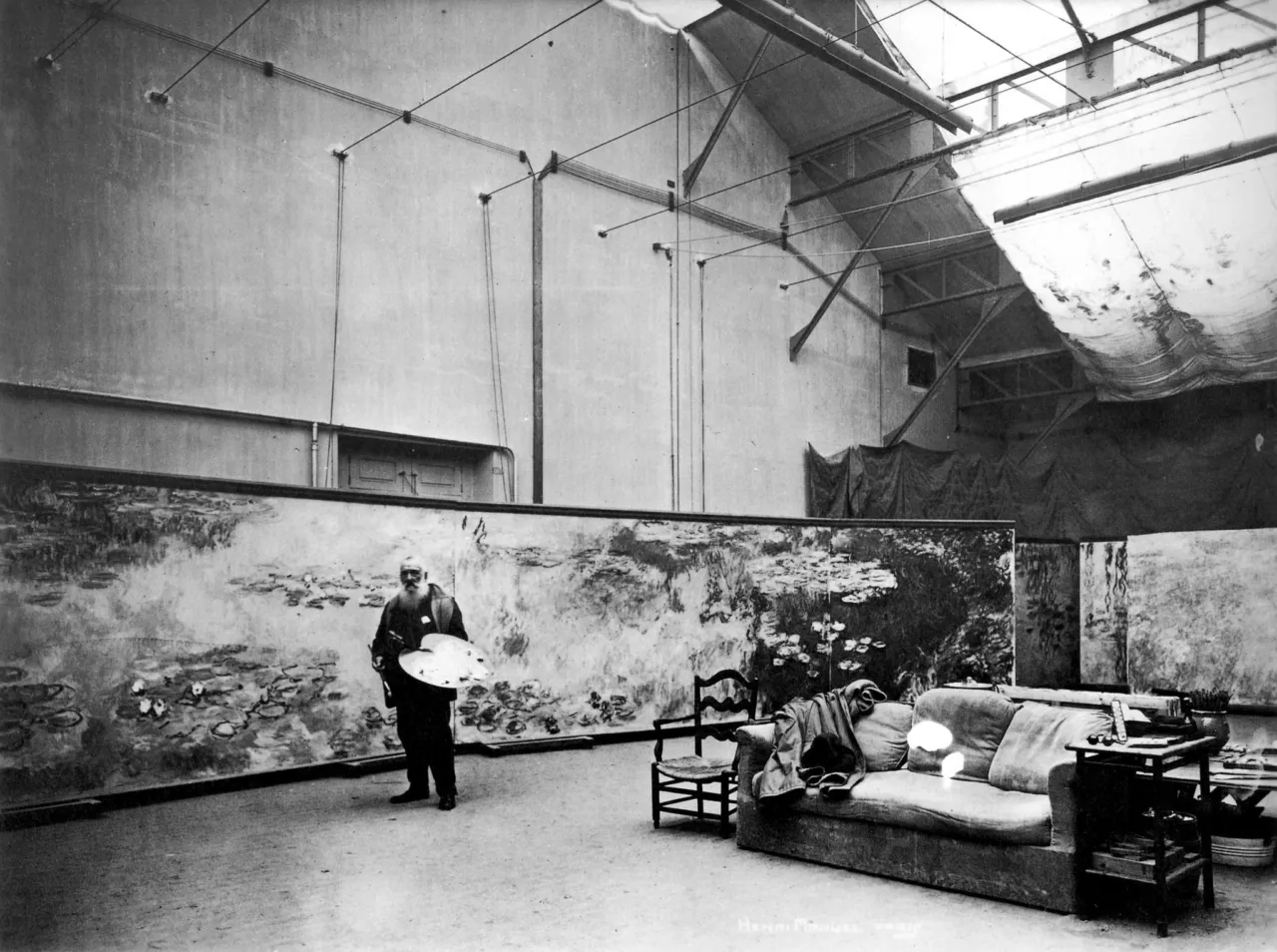
Monet understood the ‘epiphanies of pleasure’ we take from nature. Building his garden certainly helped his own struggles with depression. As a practising landscape architect dealing daily with this living medium, I am fascinated by the positive power of nature on increasingly dense urban existence, especially now as we emerge from our own global conflict.
Nature connectedness’ is a relatively new subject of enquiry that seeks to explain through empirical evidence of our oneness with the natural world the positive impact on mindfulness and wellbeing that comes from meaningful involvement in something larger than oneself.
To commemorate 125 years, the National Trust is using its immense holding of open spaces to highlight how those who make small, everyday connections with nature are much more likely to take action to protect it. The results of their research, together with the University of Derby, should concern us all. When questioning children in the past year:
- 90% infrequently or never watched the sunrise
- 83% infrequently or never smelled wildflowers
- 77% infrequently or never listened to birdsong
- Only 21% often watched clouds
- Only 24 per cent of children often stopped to appreciate the stars or the moon in the sky. (National Trust 2021)
Our urban existence and apparent need for speed and instant gratification have clearly separated us from the natural world of which we are part. We resonate with our surroundings, so it is no wonder that the lives we have created for ourselves engender feelings of anxiety and depression. We simply do not understand what is going on, that it goes against nature. The pandemic isolation has fed this fear, thrusting onto us something we simply cannot control or comprehend.
The Finnish theoretician Professor Juhani Pallasmaa sees our appreciation of cause and effect in nature as the reason it helps to heal:
‘We are products of nature and we are natural phenomena ourselves, [yet] we consider ourselves as something else…everything is causal, whereas modern life becomes increasingly non-causal so things happen without the possibility of us understanding why. I think understanding and experiencing the causation of natural phenomena, like the waves of the ocean and rain from the sky, is what balances our mental world. Although it’s a great mystery, nature is also a phenomenon that we seem to understand, or at least accept as a system of experiential causalities.’
The phenomenon of which he speaks is a system of interconnectedness between plants, animals (which includes ourselves), insects and microbes, and soil, sunlight, water, seasonal change and time. Nature has its own clock and the interconnectedness of the natural world runs at a slower pace than our lives.
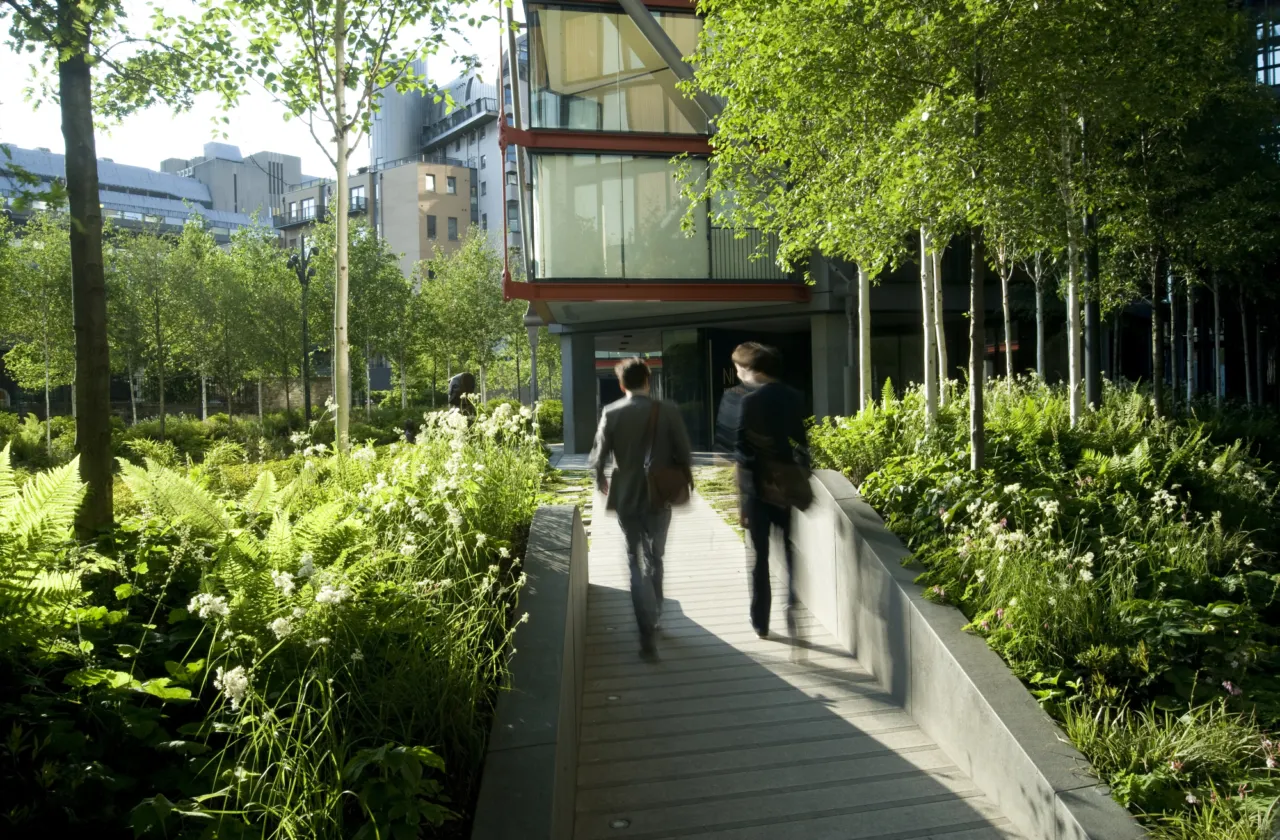
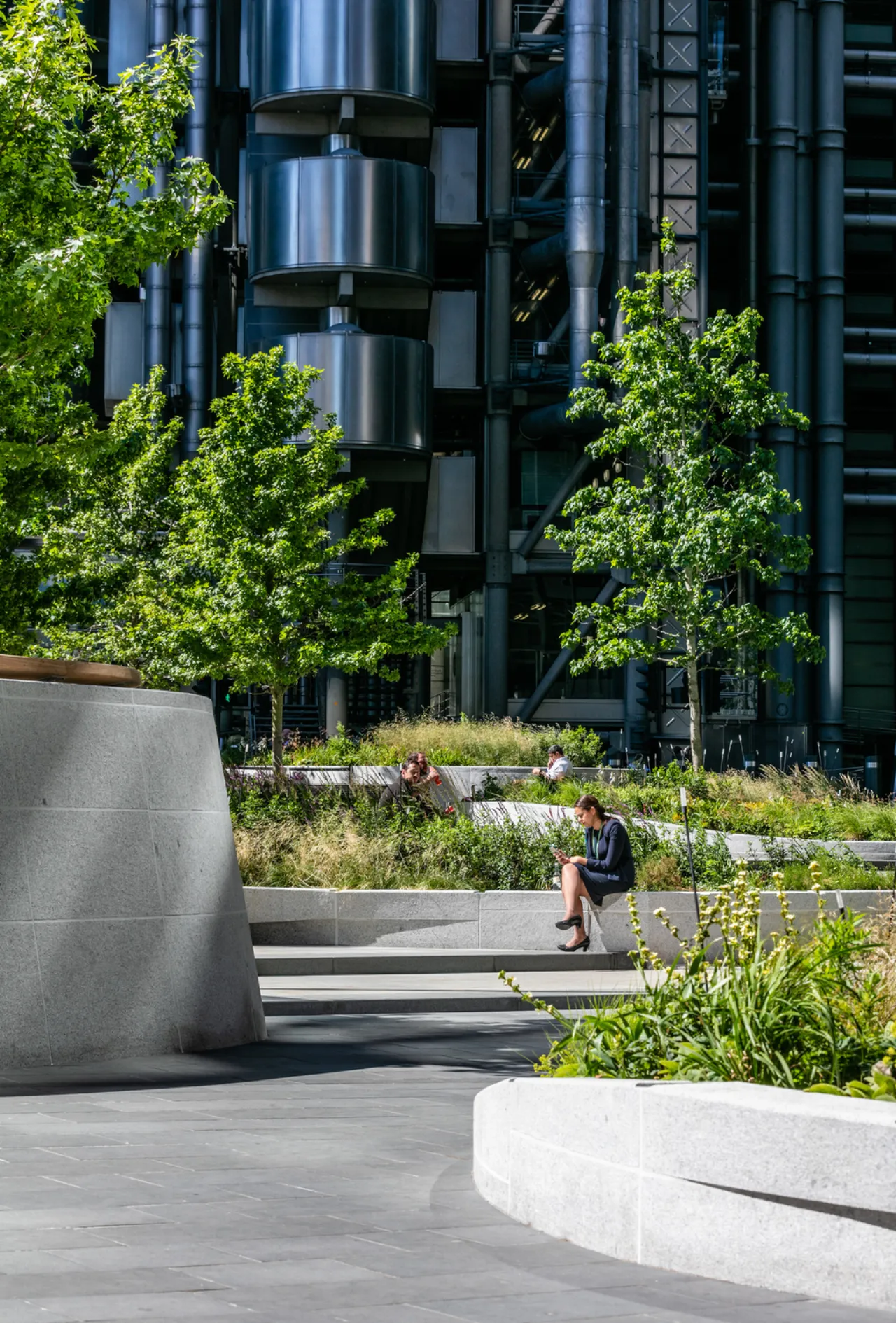
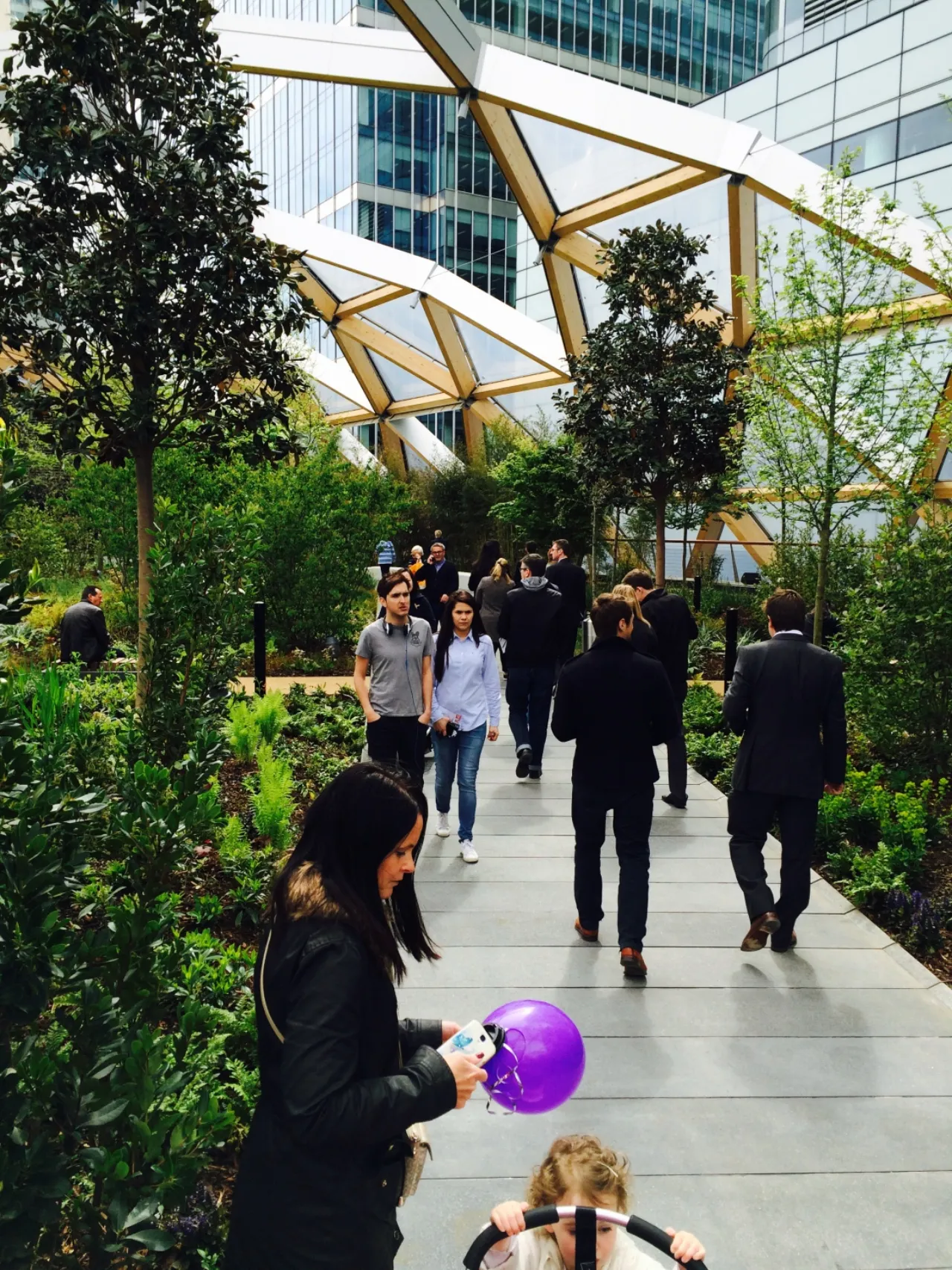
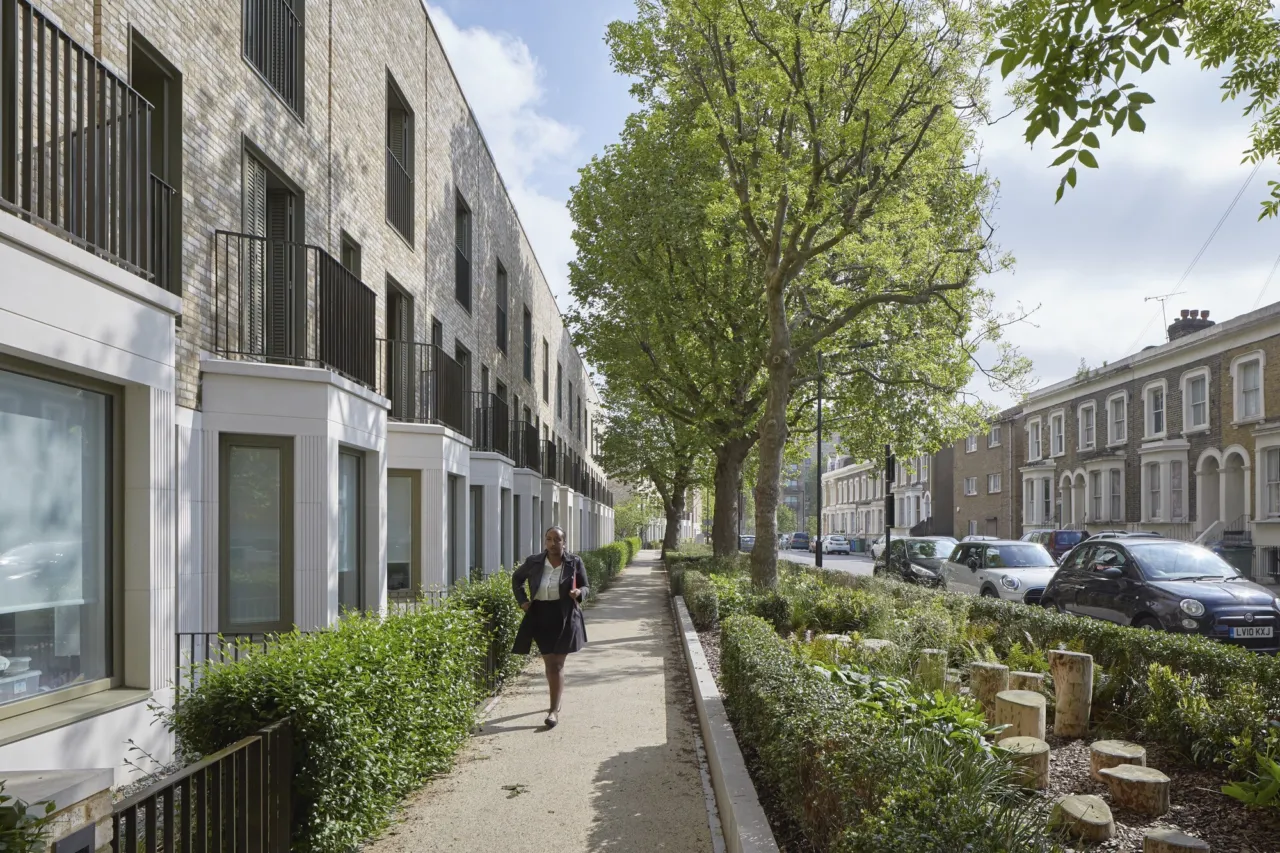
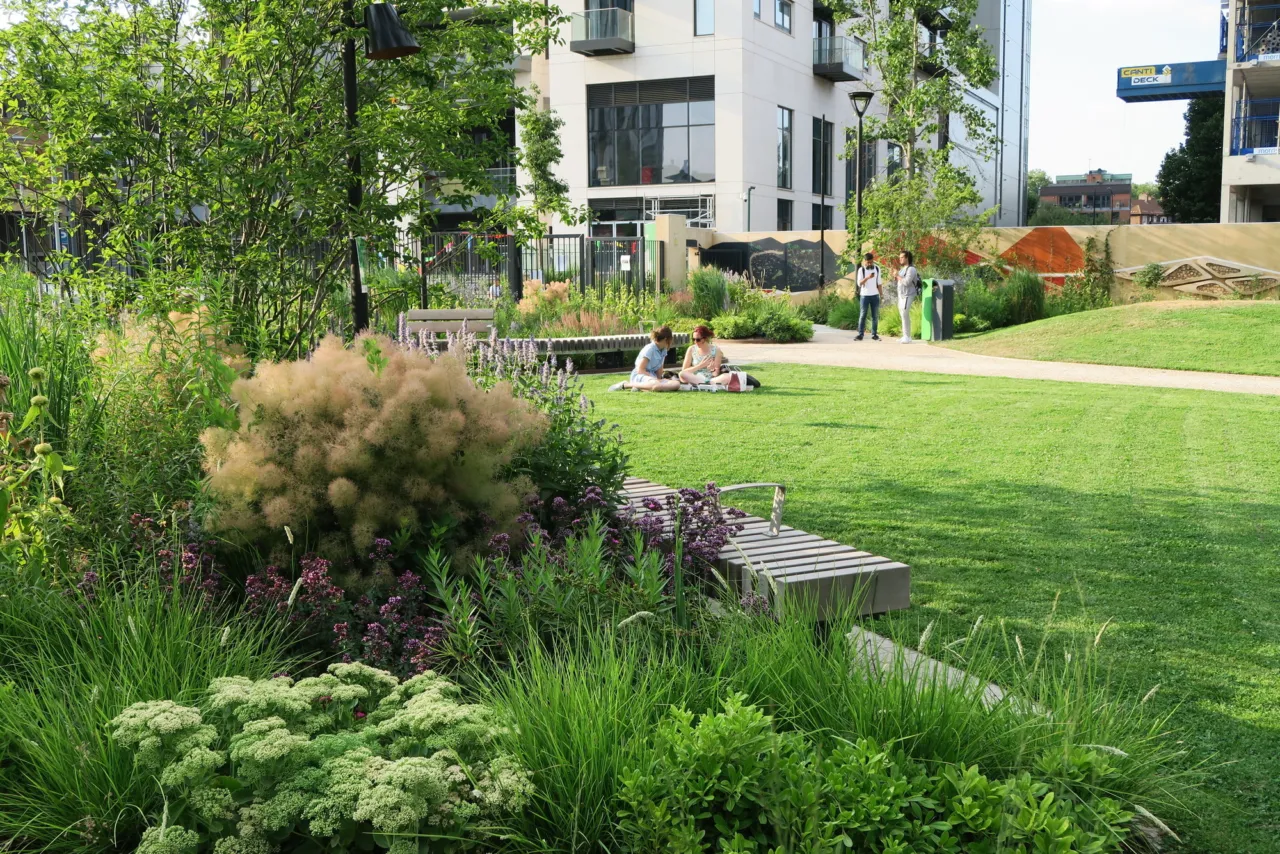
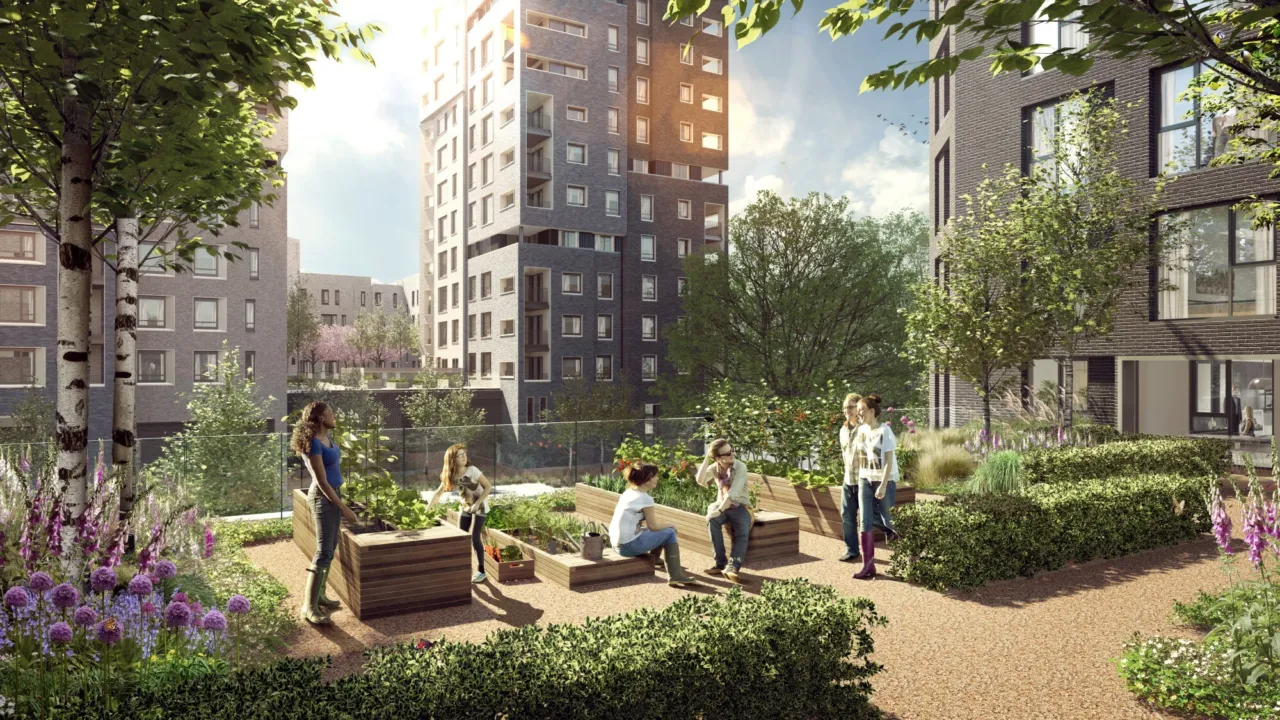
Making ‘slow space’ where one can find refuge amongst plants is one way my practice is building empathy with the natural world. Shifting and flexing the urban grain to create pocket parks along busy streets, bringing nature into our buildings through biophilic design and reclaiming roofscapes as gardens, all present the urban dweller opportunities to socialise or meditate in spaces that are governed by a slower, natural pace.