Q: What or who inspired you to become a landscape architect (or architect)?
A: I was inspired to become a landscape architect by the seamless integration of nature and design. I find inspiration in shaping our built environment and fostering vibrant communities. Landscape architecture allows me to bridge the gap between nature and human experience, creating spaces that are not only aesthetically pleasing but also functional and sustainable. Landscape architects’ ability to shape spaces that evoke emotions and tell stories through nature left an indelible mark on me.
Q: What's the most empowering or uplifting advice you've ever received from another woman?
A: I had the privilege to study and work with the most empowering senior female landscape architect through my journey, and she told me, "In a field where creativity knows no bounds, don't be afraid to let your unique voice be heard. Your perspective, ideas, and innovation have the power to reshape the narrative of our profession. Embrace your uniqueness; it's your greatest asset."
It instilled in me the confidence to actively participate in conversations, share my ideas, and advocate for myself and others.
Q: What's the best piece of advice you would give to your younger self?
A: Looking back, I would tell my younger self not to be afraid of choosing different paths from others and never hesitate to create your own. I would remind myself that everyone has a different way of discovering themselves and taking the challenges and setbacks along the path as opportunities for growth.
The construction industry can be demanding, and there will be moments of doubt and difficulty. However, remember that every challenge presents an opportunity to learn, adapt, and develop resilience.
It’s important to remember that growth comes from perseverance and resilience, not just from success.
Q: How do you think the profession can change to encourage equality?
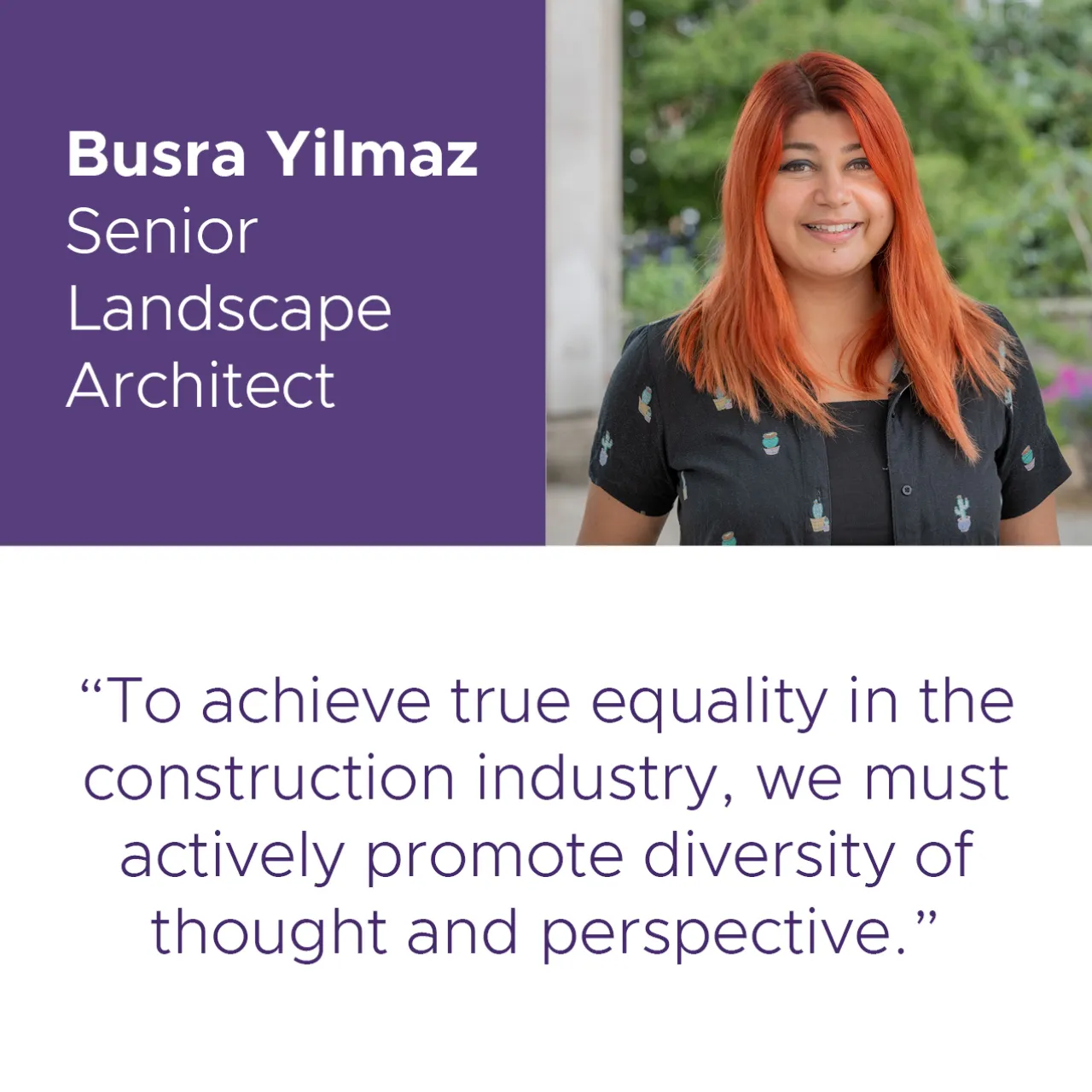
A: To achieve true equality in the construction industry, we must actively promote diversity of thought and perspective. We need to encourage mentorship programs that connect aspiring professionals with seasoned experts, breaking down barriers that hinder women's advancement. Additionally, creating a supportive workplace culture that values and rewards skills and achievements regardless of gender will contribute to a more inclusive and equitable profession.