Gillespies and LUC complete a major LVIA study of Protected Landscapes
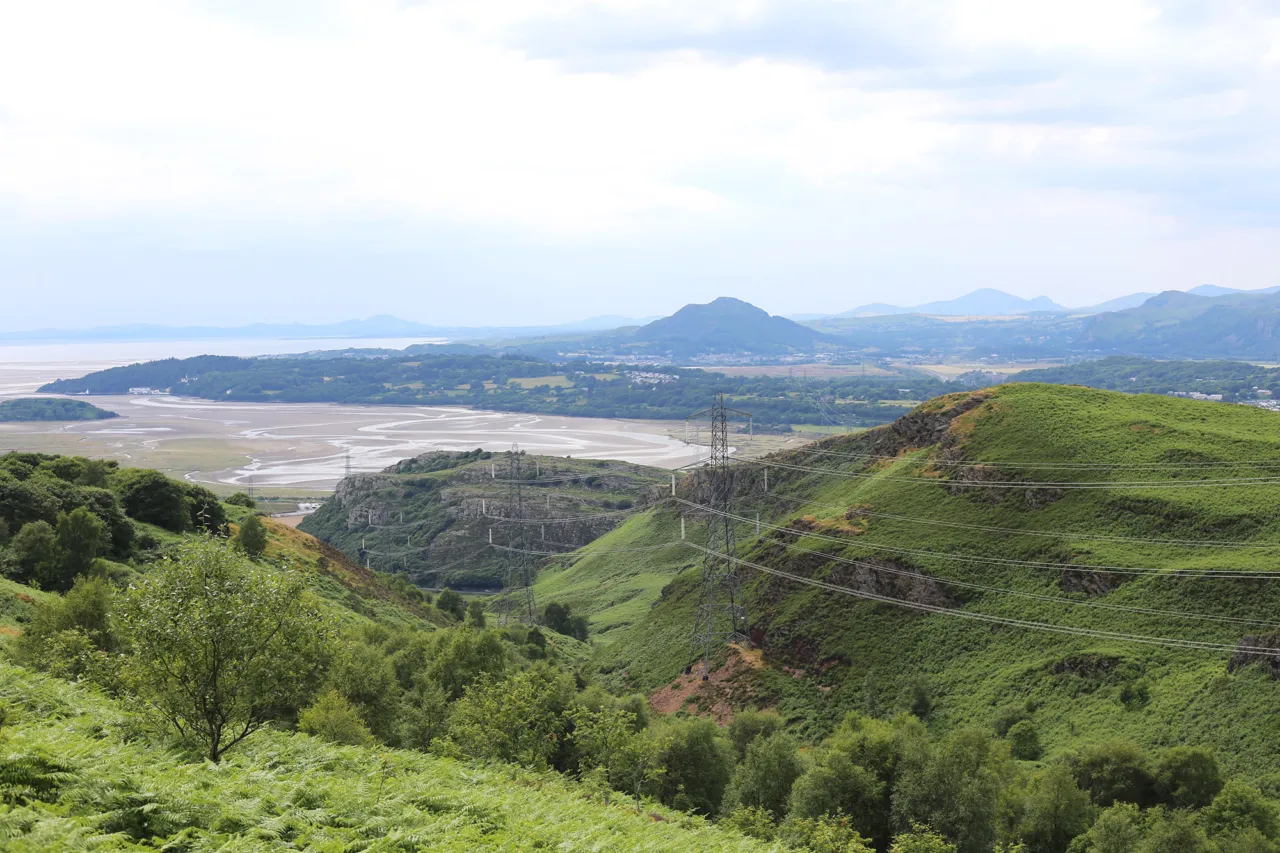
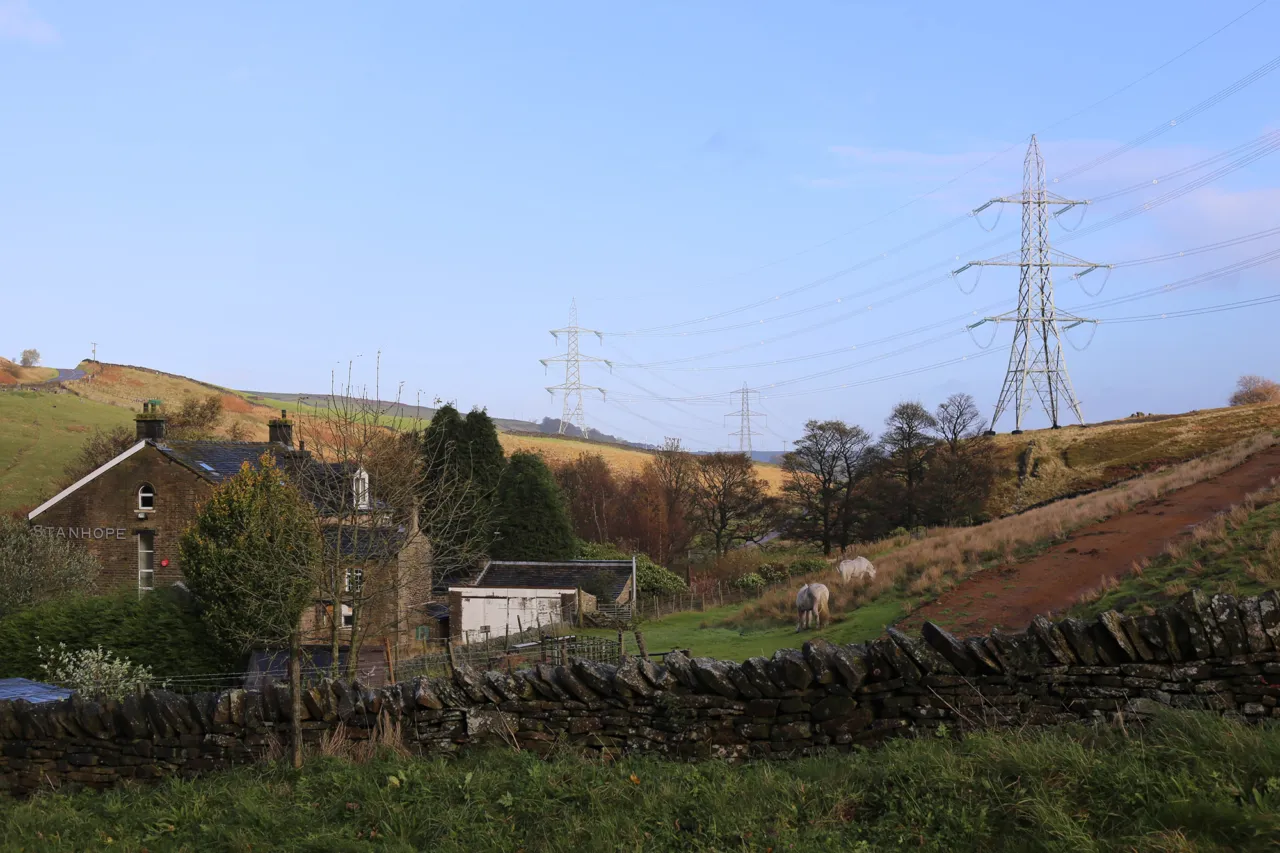
There are around 580km of high voltage transmission lines crossing seven National Parks and 19 Areas of Outstanding Natural Beauty (AONBs) in England and Wales. As part of its commitment to make use of funds from a GBP500m allocation from Ofgem to reduce the visual impact of existing electricity infrastructure on nationally protected landscapes, National Grid instructed leading landscape architecture practices: Gillespies and LUC, to carry out a comparative landscape and visual impact assessment to identify and prioritise potential mitigation projects that could yield the greatest visual improvements.
National Grid's stated objective is "to achieve the maximum enhancement to the landscape in England and Wales from the available funds whilst ensuring that no significant adverse impacts arise as a result." The aim of the project was to work with stakeholders to identify the stretches of existing transmission lines in National Parks and AONBs that currently have the most significant impacts on the landscape and on people's views and visual amenity.
With landscapes ranging from the dramatic rugged upland scenery of the Lake District, Peak District and Snowdonia National Parks, to the soft rolling lowland chalk landscapes of the South Downs National Park and AONBs such as the Chilterns and Cotswolds, the challenge of this project has been to bring a comparative and systematic approach to the assessment of transmission line impacts across a wide range of landscape types and scenery.
Whereas landscape planning work of this type typically requires a prediction of impacts that are likely to occur, in this study the brief was very different and the impact of the development was plain to see, but the equitable and quantifiable evaluation of its degree of adverse impact is less easy to evaluate.
The detailed study has now identified priority landscapes for mitigation strategies where the greatest gains could be made in terms of visual and landscape improvement. These strategies might include measures such as screening power substations or transmission lines from key public viewpoints, using different pylon designs such as the new T Pylon to better integrate lines, re-routeing or rationalising existing lines, or replacing sections with underground cables.
Leading environmentalist and chair of National Grid's Stakeholder Advisory Group, Chris Baines, described the project is a "major opportunity" to conserve and enhance the natural beauty, wildlife and environmental heritage of "treasured landscapes" in the "most efficient way".
Study Methodology
A bespoke landscape assessment methodology has been produced for this study in order to identify a short list of priority schemes for consideration by the Stakeholder Advisory Board. This was led by National Grid’s appointed landscape architect for the project: Prof Carys Swanwick with support from Gillespies and LUC. The comprehensive methodology for this study for the National Grid includes to:
Identify those aspects of the landscape or people within it that are affected by the presence of the transmission line or its associated infrastructure;
Describe the impacts of each section/sub-section of the transmission line on landscape character and on visual amenity;
Assess the importance of each impact identified for each section, using a standard assessment framework;
Balance the different impacts to compare the relative importance of all the impacts for each section of transmission line; and to
Identify projects that will yield the greatest visual improvements, help other environmental and social impacts, and are economically efficient.
A shortlist of projects has now been identified and National Grid will now seek the views of the Stakeholder Advisory Group who will prioritise projects for investment and work with local stakeholders to carry out the mitigation works.
Related projects


