BELFAST STORIES - Planning 1
News & Updates

Belfast Stories reaches planning milestone

The planning application for Belfast Stories has been submitted, marking an important step towards creating a new public destination at the top of Royal Avenue. Gillespies is part of the team shaping how the project connects with Belfast and contributes to the life of the city.
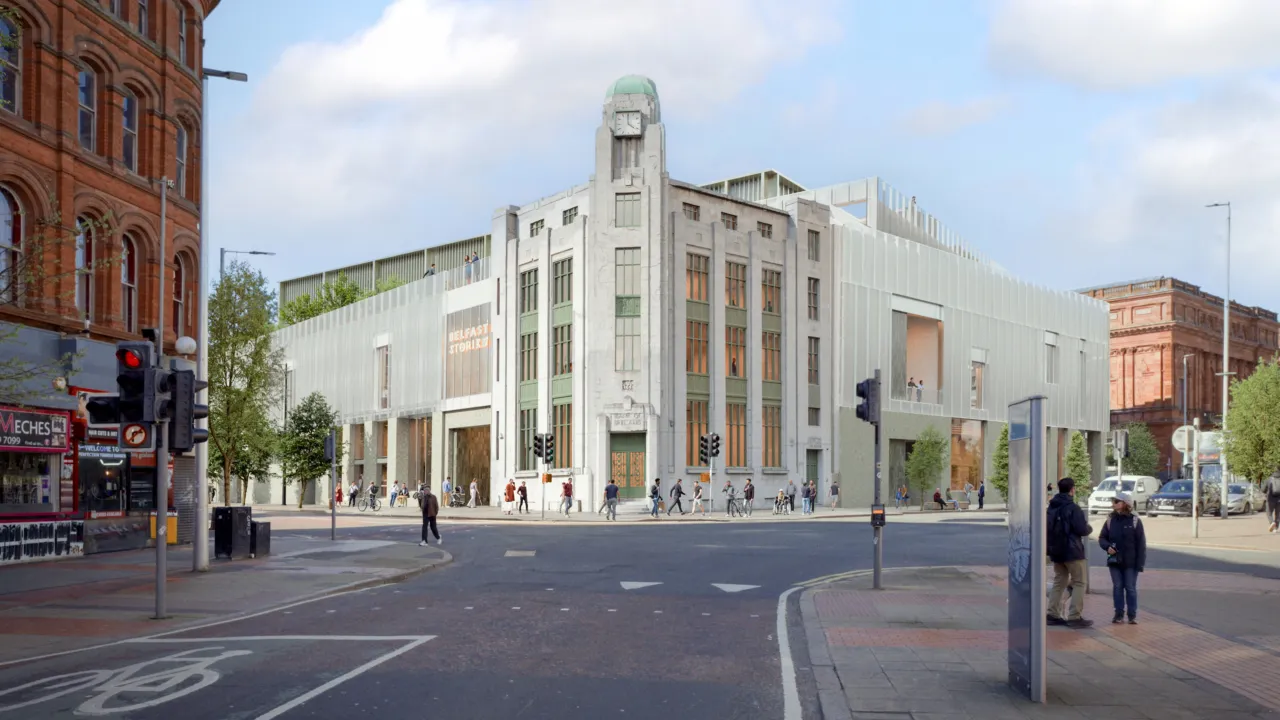
A visitor destination is not defined only by what happens inside its buildings. Its success also depends on how it meets the street, welcomes people and becomes part of the everyday experience of a city. This is particularly important for Belfast Stories, a £100 million project planned for the historic former Bank of Ireland building and its surrounding 5,000 square metre site on Royal Avenue. The submission of the planning application marks a significant milestone in the project’s development, ahead of its anticipated opening in 2030.

Belfast Stories is conceived as three things in one: a public space, a visitor attraction and a creative hub. Together, these roles are intended to create a place where people can gather, encounter the stories of Belfast and contribute to the city’s continuing creative life. The scale of the ambition is significant. Belfast Stories has the potential to attract 700,000 paying visitors each year, with an anticipated annual footfall of 1.5 million across the site as a whole. It could also support more than 700 jobs, including those created during construction. These figures demonstrate the project’s potential economic reach but its longer-term success will also depend on whether it becomes a place that people in Belfast recognise, use and feel connected to.

BELFAST STORIES - Planning 2
Credits: TODD Architects

Extending the life of a city landmark
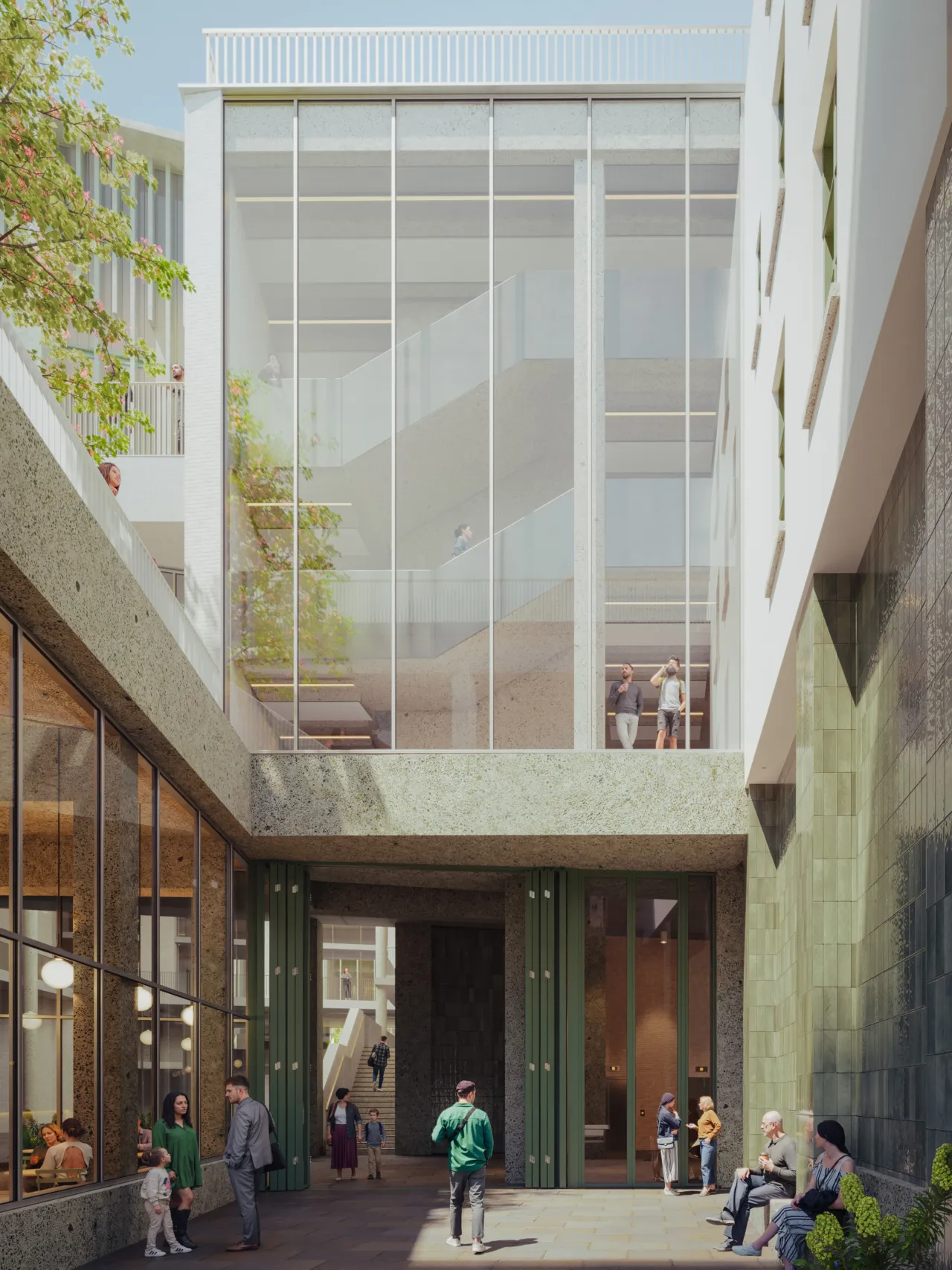
The project will unlock almost a century of heritage at the former Bank of Ireland building, which dates from 1931. Its development is also intended to bring new activity to an important part of the city centre where vacant and underused sites have affected the quality of the surrounding environment. The ambition therefore extends beyond the adaptation of a single building. Belfast Stories has the potential to establish a new point of connection within the city, bringing together culture, creativity, tourism and public life while supporting the wider regeneration of Royal Avenue. This places considerable importance on the relationship between the building, its surrounding landscape and the wider network of streets and public spaces.

The public realm will play an important role in making these connections. For Gillespies, the landscape around a cultural building should not be treated simply as its setting. It is part of the destination itself, shaping how people approach, enter, move through and spend time within a place. It can also help a major visitor attraction feel open and relevant to people who may not be entering the building on a particular day. Our work on Belfast Stories is informed by a practical question: how can the spaces around the building support both a major visitor destination and the everyday life of the city?

This means considering how people arrive from Royal Avenue and the surrounding streets, where they pause and meet, and how the public realm can accommodate different patterns of activity. It also means responding carefully to the former bank building and its city-centre context, while creating an accessible and welcoming environment for residents, workers and visitors. The aim is not to create a landscape that competes with the stories held within the building. It is to shape spaces that allow those stories, encounters and experiences to extend into the city.

BELFAST STORIES - Planning 3
Credits: TODD Architects

Connecting movement, gathering and identity

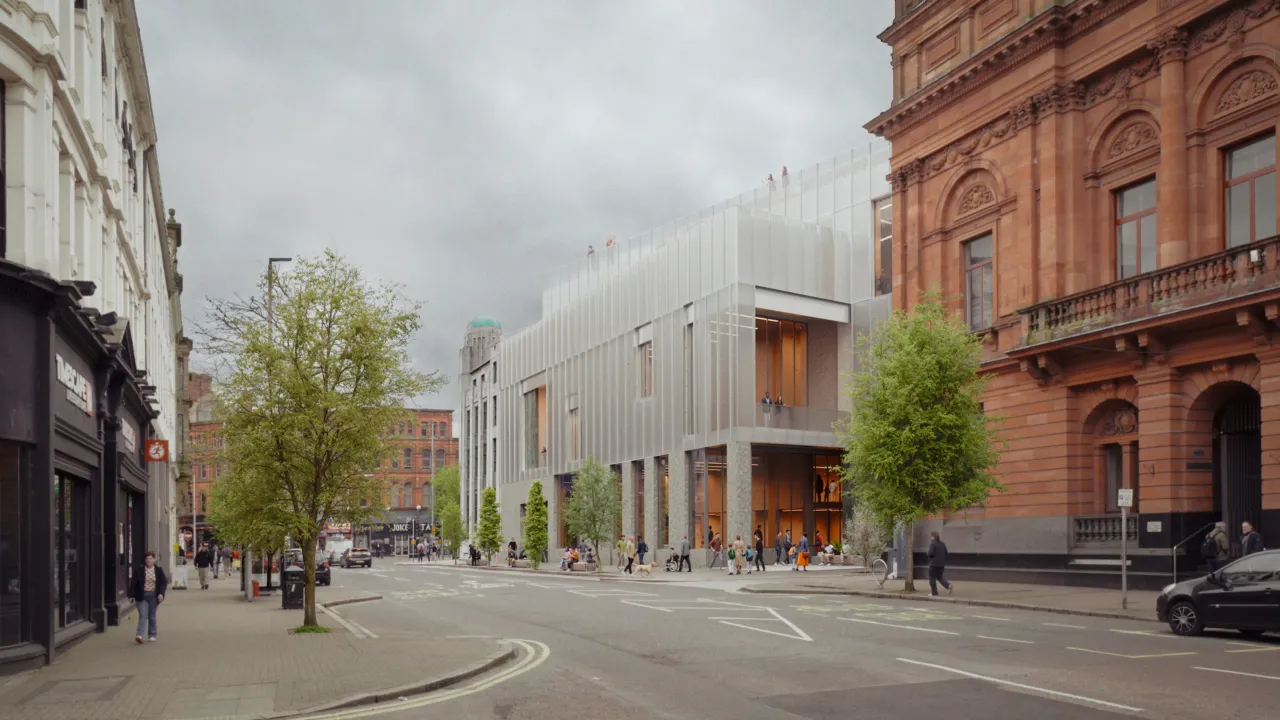
Belfast Stories is intended to bring people together in a way that reflects the diversity of Belfast’s cultures and communities. That ambition has practical implications for design. Public spaces must be legible and inclusive. They need to accommodate movement without becoming places people only pass through. They should be able to support events and larger gatherings while retaining space for quieter, informal and unprogrammed use.

They must also respond to different needs throughout the day, across the seasons and over the project’s lifetime. With up to 1.5 million visits anticipated across the site each year, the landscape will need to manage substantial footfall while continuing to offer a comfortable and distinctive public environment. Landscape-led thinking can help reconcile these different demands. By considering movement, ecology, comfort, identity and long-term management together, the public realm can become working infrastructure for city life rather than a decorative layer around the architecture.

Designing for climate and long-term use
Belfast Stories has an ambition to become a net zero exemplar for the city. Achieving that ambition will require coordinated decisions across the building, landscape, construction process and operation of the site. Within the public realm, this means considering environmental performance alongside how the place will look and feel. Planting, materials, water management, biodiversity, comfort and maintenance all contribute to how well a landscape performs over time.

These choices must also be grounded in long-term stewardship. The value of public realm is revealed through use: in the daily journeys it supports, the meetings and events it accommodates, and its ability to remain useful as circumstances change. Designing for an anticipated 2030 opening is therefore only one part of the task. The larger responsibility is to create a place capable of adapting and continuing to serve Belfast well beyond its opening years.

BELFAST STORIES - Planning 4
Credits: TODD Architects

A significant step forward

The submission of the planning application moves Belfast Stories closer to becoming a place where Belfast can gather, share its identity and continue creating the stories that will shape its future.

As part of the wider project team, Gillespies is working alongside Belfast City Council and its project partners to shape a landscape that belongs to its context, supports public life and contributes to the long-term regeneration of this important city-centre site. Its lasting value will be measured not only in visitor numbers and investment, but in how successfully it becomes part of the everyday life of the city.

BELFAST STORIES - Planning 1
Credits: TODD Architects